

Dry Eye and Ocular Surface Disease
The ocular surface refers to the front portion of the eye and includes the cornea and conjunctiva, but also the tear film, the eyelids and lashes, the meibomian glands, lacrimal glands, and goblet cells that produce our natural tears, and the nerves that tie this system together. Conditions or disorders that affect any of these structures, such as dry eye, fall under the category referred to as ocular surface disease.
Examples of ocular surface diseases and disorders:
· Dry eye disease (DED)
· Meibomian gland dysfunction (MGD)
· Blepharitis (Demodex, bacterial, fungal)
· Ocular rosacea
· Ocular allergies
· Vernal keratoconjunctivitis (VKC)
· Atopic keratoconjunctivitis (AKC)
· Lid wiper epitheliopathy (LWE)
· Conjunctivochalasis
· Episcleritis
· Superior limbic keratoconjunctivitis (SLK)
· Filamentary keratitis
· Recurrent corneal erosion (RCE)
· Ocular cicatricial pemphigoid (OCP)
· Neurotrophic keratitis (NK)
· Neuropathic corneal/ocular pain
· Chronic ocular surface pain
· Autoimmune-related dry eye (e.g. Sjögren’s disease)
· Medication-induced dry eye
· Contact lens intolerance/contact lens-induced dry eye
· Lagophthalmos (incomplete eyelid closure)
· Excessive eyelid laxity
· Floppy eyelid syndrome
· Incomplete blinking
· Chalazion/Hordeolum (“Styes”)
· Eyelash loss
· Epiphora (Excessive tearing/eye watering)
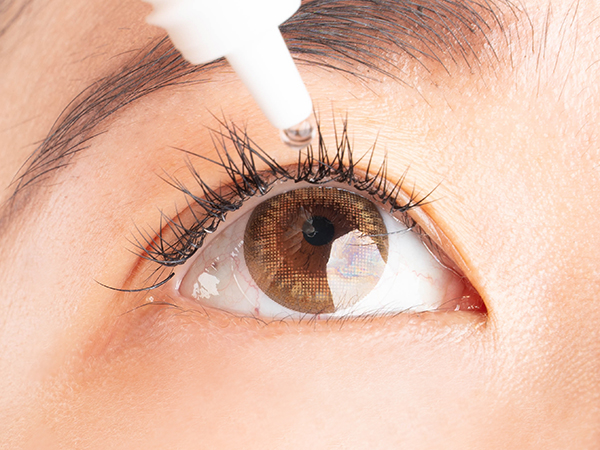
Dry Eye Services
Learn More
Keep In Touch
Contact Us© 2026 The Dry Eye Center of Ohio, LLC. All rights Reserved. Accessibility Statement - Privacy Policy - Sitemap
Managed and Designed by:
