

Is Radiofrequency Right for My Dry Eye? A Simple Guide to Who Benefits Most
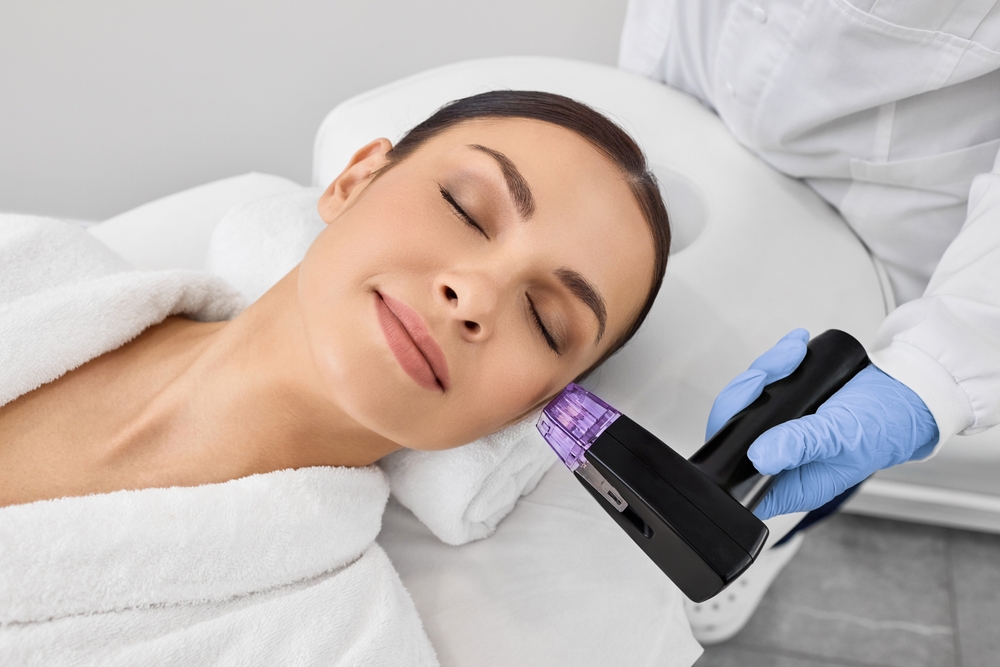
Radiofrequency for dry eye is a non-invasive treatment that gently delivers controlled heat to the eyelids. This warmth can help improve oil flow from the meibomian glands, which play an important role in keeping tears from evaporating too quickly. For patients with meibomian gland dysfunction, radiofrequency may offer relief when drops and home care alone are not enough.
Who May Benefit Most
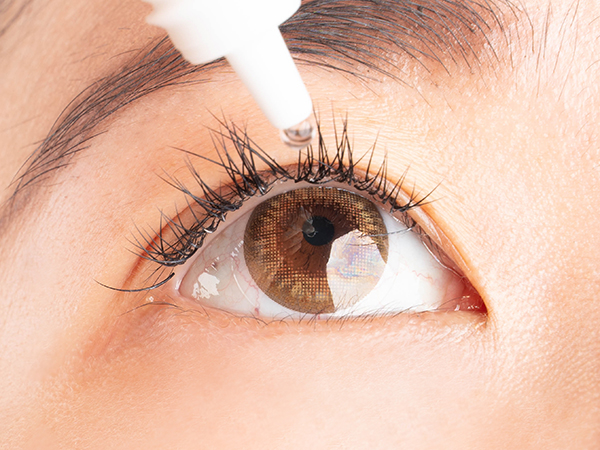
Radiofrequency treatment is often a good fit for people with evaporative dry eye linked to blocked or underperforming oil glands. If your eyes often feel dry, gritty, tired, or irritated, and those symptoms worsen during screen time or in dry environments, this treatment may be worth discussing. Patients in Montgomery, OH seeking more targeted dry eye treatment may benefit from an evaluation to determine the source of their symptoms.
Signs Your Dry Eye May Be Linked to Gland Dysfunction
Not all dry eye has the same cause, which is why proper diagnosis matters. Radiofrequency is usually recommended for patients whose symptoms are connected to eyelid inflammation or poor oil gland function.
Burning, stinging, or fluctuating vision
Grittiness or a sandy feeling in the eyes
Symptoms that worsen later in the day
Red eyelid margins or eyelid tenderness
Limited relief from artificial tears alone
When Conservative Treatment Has Fallen Short
Many patients start with warm compresses, lid hygiene, artificial tears, or dietary changes. These steps can help, but they may not be enough for moderate or persistent dry eye. Radiofrequency can be a next-step option for patients who need more than daily symptom management and want treatment that addresses one of the underlying causes of dry eye.
Why a Personalised Evaluation Matters
A simple guide to who benefits most from radiofrequency starts with one key point - the best candidates are identified through a detailed dry eye assessment. Your eye doctor can examine your tear film, eyelids, gland function, and ocular surface health before recommending treatment. This helps ensure you are getting care that matches your specific condition rather than a one-size-fits-all approach.
What to Expect From Treatment
Radiofrequency sessions are designed to be comfortable and efficient. The treatment uses gentle heat to support healthier gland function and improve the tear film over time. Some patients notice improvement gradually, especially when radiofrequency is paired with a broader dry eye treatment plan. Results vary, but the goal is to improve comfort, tear stability, and day-to-day visual quality.
When It May Not Be the First Option
Radiofrequency is not the right answer for every case of dry eye. Patients whose symptoms are driven more by aqueous tear deficiency, autoimmune disease, or other ocular surface concerns may need a different treatment plan. That is why a professional evaluation is the best first step before deciding whether radiofrequency for dry eye is right for you.
Contact The Dry Eye Center of Ohio, LLC in Montgomery, OH by calling (123) 456-7890 to schedule a dry eye evaluation at 7770 Cooper Rd Ste 1, Montgomery, OH 45242.
Dry Eye Services
Learn More
Keep In Touch
Contact Us© 2026 The Dry Eye Center of Ohio, LLC. All rights Reserved. Accessibility Statement - Privacy Policy - Sitemap
Managed and Designed by:
