

How Remote Work and Screen Fatigue Drive Dry Eye in Sycamore & Montgomery Professionals

Remote work has made the workday more flexible for many professionals, but it has also increased the amount of time we spend focused on computers, phones, and tablets. If your eyes become dry, gritty, blurry, or irritated by late afternoon, prolonged screen use may be aggravating your tear film.
At The Dry Eye Center of Ohio, we help professionals from Montgomery, Sycamore, and surrounding Cincinnati communities understand why screen-heavy routines can worsen dry eye and what can be done when basic home remedies are no longer enough.
Why Screen Time Makes Dry Eye Worse
Every time you blink, your eyelids spread tears and protective oils across the surface of your eyes. These oils help keep tears from evaporating too quickly.
When concentrating on a computer screen, people tend to blink less frequently and may not close their eyelids completely with every blink. Over several hours, this can leave the tear film unstable and allow moisture to evaporate faster.
For remote workers who move from a laptop to a smartphone during breaks and then spend the evening using another screen, the eyes may receive very little opportunity to recover.
Signs Screen Fatigue May Be Affecting Your Eyes
Dry eye and digital eye strain can overlap, so symptoms may not always have one simple cause. Common concerns include:
- Burning, stinging, or gritty eyes
- Fluctuating or blurry vision
- Watery eyes despite feeling dry
- Redness or irritation
- Tired or heavy-feeling eyes
- Difficulty keeping contact lenses comfortable
- Eye discomfort that worsens as the workday continues
- Frequent reliance on artificial tears
If these symptoms occur regularly, simply pushing through another workday may allow discomfort to become increasingly disruptive.
Why Blinking Matters More Than You Think
A complete blink does more than briefly close the eyes. It helps distribute the tear film and encourages the meibomian glands in the eyelids to release oils that slow tear evaporation.
Poor blinking habits associated with prolonged computer work can interfere with this process. At The Dry Eye Center of Ohio, we evaluate eyelid function, tear stability, gland health, and other factors that may be contributing to persistent symptoms.
For some patients, OptiLIFT Dynamic Muscle Stimulation may be considered to support the muscles responsible for effective blinking. Treatment recommendations depend on what we find during a dry eye evaluation.
Can Better Screen Habits Help?
Small changes can reduce unnecessary visual stress. Take regular breaks from your monitor and intentionally practice full blinking throughout the day. Positioning your screen slightly below eye level may also help reduce how much of the eye's surface is exposed.
Avoid direct airflow from desk fans or vents, since moving air can accelerate tear evaporation. A humidifier may also help if your home office becomes especially dry during heating or air-conditioning season.
These adjustments can be useful, but chronic dry eye may require more than workstation changes.
When Dry Eye Needs More Targeted Treatment
Dry eye is a multifactorial condition. Screen habits may contribute, but meibomian gland dysfunction, inflammation, ocular rosacea, eyelid problems, tear quality, and other factors can also play a role.
Depending on your examination findings, treatment at our Montgomery office may include OptiLIGHT IPL, OptiPLUS radiofrequency, Dynamic Muscle Stimulation, or other individualized therapies designed to address the underlying contributors to ocular surface disease rather than simply masking symptoms with drops.
If remote work is leaving your eyes uncomfortable long after you close the laptop, schedule a dry eye evaluation with The Dry Eye Center of Ohio at 7770 Cooper Rd, Ste 1, Montgomery, OH 45242 by calling (513) 902-3146. We proudly care for professionals throughout Montgomery, Sycamore, and the greater Cincinnati area with personalized dry eye treatment focused on lasting comfort.
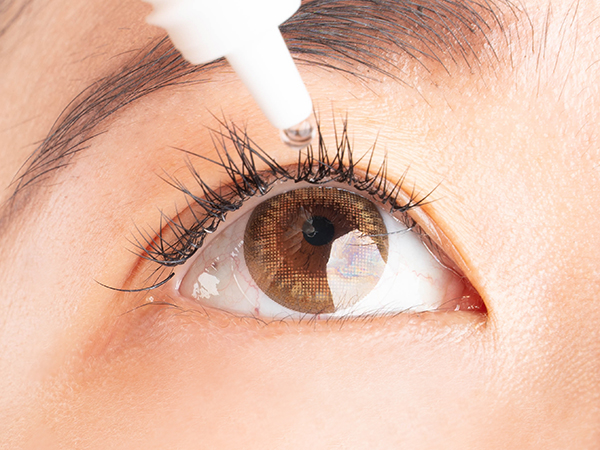
Dry Eye Services
Learn More
Keep In Touch
Contact Us© 2026 The Dry Eye Center of Ohio, LLC. All rights Reserved. Accessibility Statement - Privacy Policy - Sitemap
Managed and Designed by:
