

How DMS Helps Strengthen Eyelid Muscles and Improve Tear Distribution

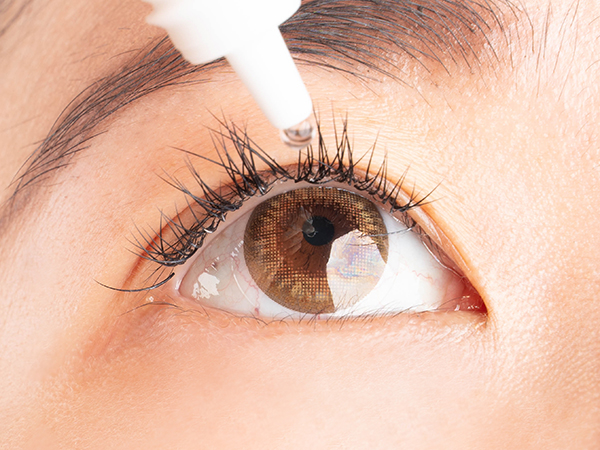
Healthy tears do more than sit on the surface of the eyes. They need to be spread evenly with every blink. When the eyelids do not close fully, blink strongly, or move efficiently, the tear film can become unstable. This can contribute to burning, irritation, fluctuating vision, and a gritty feeling. At The Dry Eye Center of Ohio, we look closely at how the eyelids, tear film, and ocular surface work together. For some patients, Dynamic Muscle Stimulation, or DMS, may be part of a personalized dry eye treatment plan. DMS is a treatment designed to stimulate targeted facial and eyelid muscles. The goal is to support better muscle tone and function around the eyes, which may help improve blinking and tear distribution. Because dry eye disease is often connected to poor tear quality, meibomian gland dysfunction, inflammation, or incomplete blinking, DMS is not a one-size-fits-all treatment. We use a detailed evaluation to determine whether it fits your symptoms and overall eye health needs. Each blink helps move tears across the eye’s surface. A complete, effective blink also helps express oils from the meibomian glands, which are located along the eyelid margins. These oils help slow tear evaporation and keep the tear film more stable. When eyelid muscles are weak or blinking is incomplete, tears may not spread evenly. This can leave areas of the eye exposed and irritated. Strengthening and stimulating the muscles that support blinking may help the eyelids move more effectively, allowing tears to coat the eyes more evenly. Dry eye symptoms are not always caused by a lack of tears. Many patients produce tears, but the tear film breaks down too quickly or does not spread properly. When this happens, the eyes can feel dry, tired, watery, or sensitive to light. DMS may help support: By improving the way tears move across the eye, DMS may help reduce irritation linked to poor tear distribution. At our Montgomery, OH office, we focus on identifying the underlying causes of dry eye rather than only treating symptoms. DMS may be recommended alongside other dry eye therapies depending on your exam findings, gland health, inflammation levels, and tear film stability. For some patients, treatment may also involve therapies that address meibomian gland dysfunction, ocular surface inflammation, eyelid hygiene, or tear quality. Our goal is to create a plan that supports long-term comfort and healthier tear function. Before recommending DMS, we perform a dry eye evaluation to better understand your symptoms and how your eyes are functioning. We may assess eyelid movement, tear stability, gland health, and the condition of the ocular surface. This helps us determine whether DMS is appropriate and how it may fit into your overall care. We want every treatment recommendation to be based on what your eyes actually need. To learn whether DMS may help support stronger eyelid function and improved tear distribution, contact The Dry Eye Center of Ohio, LLC in Montgomery, OH by calling (513) 902-3146.Understanding The Role Of The Eyelids In Dry Eye
What Is DMS?
How Eyelid Muscles Affect Tear Distribution
Why Tear Distribution Matters For Comfort
DMS As Part Of A Comprehensive Dry Eye Plan
What To Expect During An Evaluation
Dry Eye Services
Learn More
Keep In Touch
Contact Us© 2026 The Dry Eye Center of Ohio, LLC. All rights Reserved. Accessibility Statement - Privacy Policy - Sitemap
Managed and Designed by:
