

Dry Eye Triggers You Might Be Missing (And How to Avoid Them)
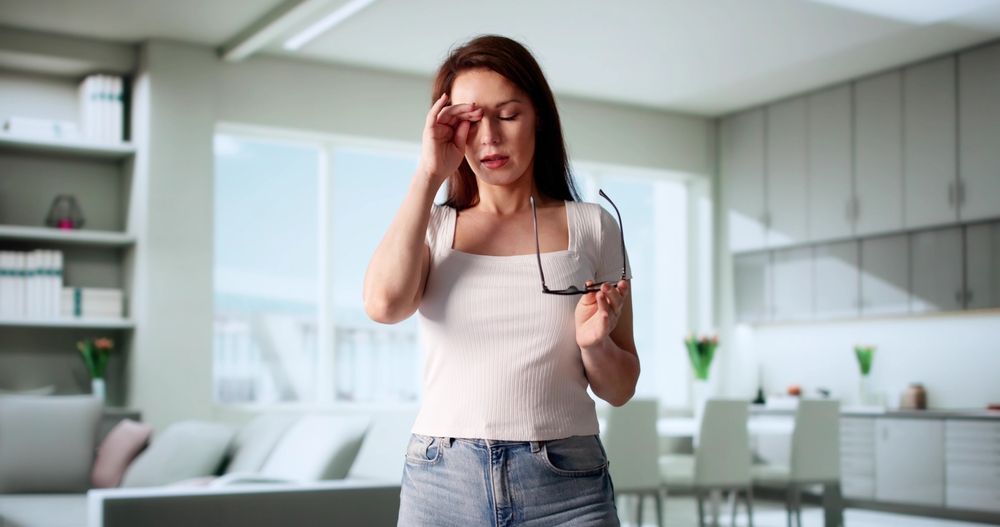
Dry eye can feel frustrating, especially when symptoms seem to appear out of nowhere. Burning, watering, irritation, blurry vision, and a gritty feeling are all common signs that the tear film is not staying stable. At The Dry Eye Center of Ohio in Montgomery, OH, we often see patients who have tried drops without realizing that everyday habits and environments may be making their dry eye symptoms worse.
Understanding hidden dry eye triggers is the first step toward better comfort and healthier eyes.
Screen Time And Incomplete Blinking
Computers, phones, tablets, and TV screens are a major dry eye trigger. When we focus on screens, we tend to blink less often and less completely. This keeps the eyelids from spreading a healthy layer of oil across the tears, which can cause the tears to evaporate too quickly.
For patients in Montgomery who work long hours at a desk or spend evenings on digital devices, small changes can help. Try taking regular screen breaks, blinking fully, and adjusting your screen so it sits slightly below eye level.
Indoor Air And Seasonal Changes
Air conditioning, heating, ceiling fans, and low humidity can all worsen dry eye. These conditions pull moisture from the tear film, leaving the eyes feeling irritated or tired. In Ohio, seasonal changes can also play a role, especially when indoor heating runs during colder months or air conditioning is used heavily in the summer.
A humidifier, avoiding direct airflow, and staying hydrated can help reduce environmental dryness.
Products Around The Eyes
Many people overlook the products they use near their eyes. Makeup, facial cleansers, retinoids, lash serums, and certain creams can irritate the eyelids or affect the glands that help keep tears stable. Even products that do not get directly into the eye can contribute to inflammation along the lid margin.
Common product-related triggers include:
- Waterproof eye makeup that is difficult to remove
- Oil-based creams used too close to the eyelids
- Lash growth serums that irritate the lid margin
- Harsh cleansers or makeup removers
- Old mascara or eyeliner that can collect bacteria
If your dry eye symptoms started after adding a new product, it may be worth reviewing your routine.
Contact Lenses And Eye Strain
Contact lenses can make dry eye symptoms more noticeable, especially if the tear film is already unstable. Long wear times, sleeping in lenses, or using lenses in dry environments can increase discomfort. Eye strain from reading, driving, or detailed work can also make dryness feel worse.
If contact lenses feel less comfortable than they used to, dry eye may be part of the reason.
Why Professional Dry Eye Care Matters
Dry eye is not always caused by one simple factor. Many patients have a mix of inflammation, tear instability, meibomian gland dysfunction, environmental triggers, and lifestyle habits contributing to their symptoms. At The Dry Eye Center of Ohio, we focus on identifying the underlying causes of dry eye so treatment can be more targeted than simply using artificial tears.
By understanding your specific triggers, we can help create a plan that supports long-term comfort and better ocular surface health.
If dry eye symptoms are affecting your comfort, vision, or daily routine, contact The Dry Eye Center of Ohio in Montgomery, OH by calling (513) 902-3146.
Dry Eye Services
Learn More
Keep In Touch
Contact Us© 2026 The Dry Eye Center of Ohio, LLC. All rights Reserved. Accessibility Statement - Privacy Policy - Sitemap
Managed and Designed by:
